
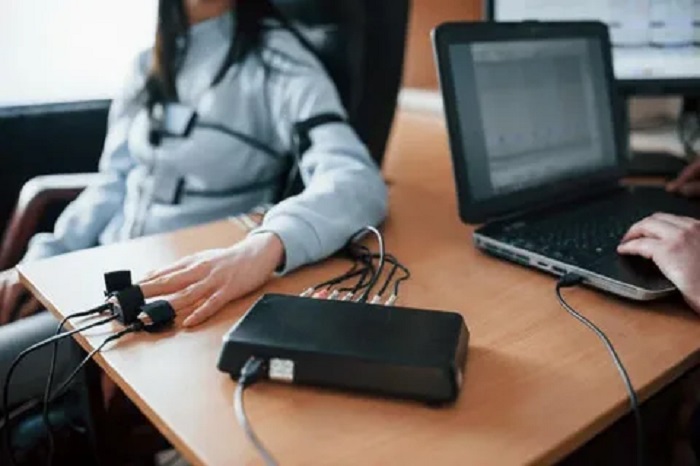
A lie detector, or polygraph, is a device that helps assess the truthfulness of a person’s answers by monitoring changes in their physiological reactions. During the test, indicators such as respiration, heart rate, blood pressure, and galvanic skin response are recorded; a specialist then correlates these readings with the moments when control and relevant questions were asked.
The polygraph operates on the principle that the emotional tension and stress associated with attempting to conceal information can manifest as fluctuations in these physiological parameters. However, the results are not considered direct “proof of lying”: they depend on the questioning methodology, the subject’s condition, and the expert’s qualifications. Consequently, interpretation requires caution—including in cases where a lie detector in Canada.
The polygraph in practice: physiological signals recorded by sensors
The key principle involves comparing reactions to different types of questions and analyzing signal dynamics over time. The operator evaluates not just a single “spike,” but a combination of indicators—considering their shape and stability—such as the intensity of the reaction, how quickly it arises, its duration, and how it changes from one question to the next.
Main recording channels and what they measure
A standard polygraph configuration employs several independent channels to minimize the likelihood of misinterpretation. Each sensor records a specific physiological “trace,” but the combined changes across these channels provide the most valuable information.
- Respiration – typically, both thoracic (chest) and abdominal breathing are recorded using pneumatic sensors (straps). Analysis covers rate, depth, pauses, rhythm irregularities, micro-delays, and shifts to shallow breathing.
- Cardiovascular indicators – an arm cuff or sensors monitor pulse and blood pressure. Changes in heart rate, pulse wave amplitude, pressure fluctuations, and overall response variability are tracked.
- Galvanic Skin Response (GSR) – finger electrodes measure changes in skin electrical conductivity linked to sweat gland activity. This is one of the channels most sensitive to emotional arousal; the height of the “peak” and the rates of rise and recovery are significant.
- Motor activity – sensors in the chair or seat pad detect micro-movements, muscle tension, attempts to shift posture, or efforts to manipulate breathing patterns. This channel helps identify artifacts and potential countermeasures.
How signals are interpreted and why their combination matters
Assessment is based on the fact that different physiological systems react differently: one person might show a pronounced GSR, another respiratory changes, and a third cardiovascular responses. Therefore, in practice, the focus is not on a single “magic” indicator but on a recurring pattern—for example, a brief breath-hold accompanied by a rise in GSR and a change in pulse immediately following a key question.