
Few garments work as hard as the humble overall. In a busy garage, a jua kali workshop, a factory floor or a farm, it is the first line of defence between your everyday clothes and oil, dust, paint and mud. At the same time, overalls and dungarees have become a relaxed fashion staple, worn to weekend markets, creative studios and casual offices. Whether you need something tough for daily work or a comfortable outfit for the weekend, a little know-how helps you buy well and make it last.
This guide covers the main types, the fabrics worth knowing, how to get the fit right, which features matter, and how to wash out stubborn grease without ruining the garment.
The main types of overalls
Coveralls and boiler suits
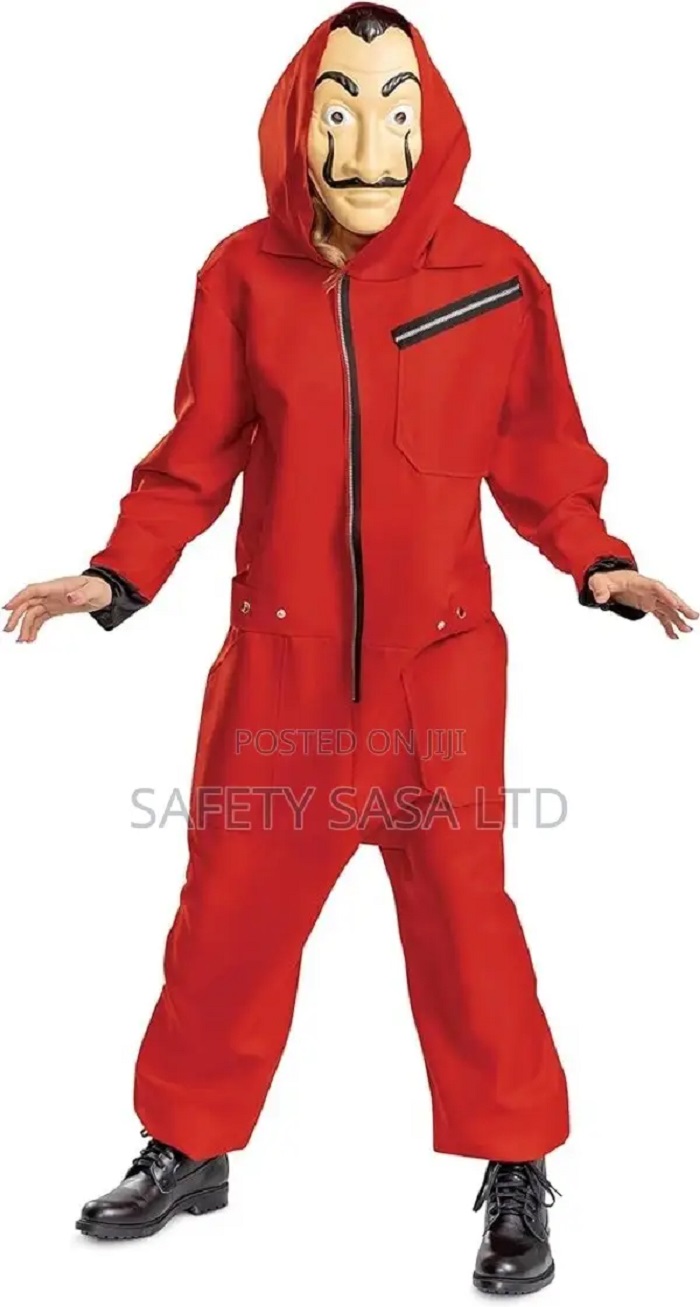
A coverall, often called a boiler suit, is a one-piece garment with long sleeves and full-length legs, usually closed with a front zip or press studs. It covers the whole body, which makes it the standard choice for mechanics, technicians, factory staff and anyone working around grease or grime. With no gap at the waist, it stays protective when you bend or crawl under a vehicle.
Bib-and-brace overalls
Bib-and-brace overalls have trousers with a front bib held up by adjustable shoulder straps. The arms are left free, so they suit warm conditions and jobs that need a lot of arm movement, such as painting, carpentry and farm work. You can wear a T-shirt or long-sleeved shirt underneath depending on the weather.
For most practical jobs, one of these two styles will do, and browsing current offers before choosing an overall lets you compare fabrics, features and prices side by side instead of settling for the first option you see.
Dungarees
Dungarees follow the same bib-and-strap idea but are usually cut with a more everyday look, often in denim. They cross over between light work and casual wear, and many people own a pair purely for comfort.
Fashion jumpsuit-style overalls
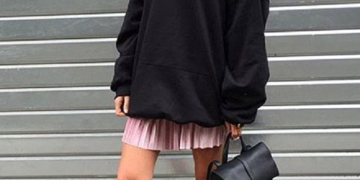
Fashion overalls borrow the one-piece silhouette of a boiler suit but use softer fabrics, tailored cuts, belts and interesting colours. They are designed for style rather than protection, so they are not a substitute for proper workwear.
Lab coats and dust coats
Lab coats and dust coats are knee-length coats worn over clothes rather than full overalls. They suit laboratories, pharmacies, stores and workshops where light protection from spills and dust is enough.
Materials: what your overall is made of matters
The fabric decides how comfortable, durable and protective the garment will be.
- Cotton drill: a tightly woven, breathable cotton that feels comfortable in warm weather and softens with washing. It is a popular choice for general workwear.
- Polycotton: a blend of polyester and cotton that resists shrinking and creasing, dries faster and tends to hold its colour well. It is a practical pick for uniforms that are washed often.
- Denim: tough and familiar, denim is used for dungarees and fashion overalls. It is heavier and warmer than drill, so it can feel hot during long days in the sun.
- Canvas and duck cloth: heavy, abrasion-resistant fabrics suited to rough work such as construction and fabrication. They take time to break in but last a long time.
- Flame-resistant fabrics: treated or inherently flame-resistant materials are made for work near heat, sparks or open flames, such as welding. Check the product label and your workplace requirements carefully, as protection levels vary.
- High-visibility fabrics: bright fluorescent colours, usually combined with reflective strips, help workers be seen near traffic, moving vehicles or in low light.
In a warm climate, breathability matters as much as strength. A lighter drill or polycotton overall with ventilation features will often be more comfortable than heavy canvas for everyday tasks.
Getting the size right
An overall that fits well lets you move freely without snagging or restricting you. When trying one on, go through a few simple movements.
- Squat and bend: the seat and back should not pull tight, and the crotch should not feel restrictive.
- Raise your arms: on a coverall, the sleeves should stay close to your wrists and the body should not ride up sharply.
- Check leg length: the legs should reach the top of your boots without bunching heavily or dragging on the ground.
- Think about layering: if you wear a jumper or reflective vest underneath or on top during cold mornings, allow a little extra room.
Remember that some cotton garments can shrink slightly after the first few washes, so check the care label and consider whether a little extra length is sensible.
Features worth looking for
- Reinforced knees: double-layered knees, sometimes with pockets for knee pads, are useful for mechanics, tilers and anyone who kneels often.
- Tool pockets: chest pockets, rule pockets, pen slots and hammer loops keep tools within reach.
- Zips or press studs: a strong front zip is quick to use, while press studs are easy to replace and less likely to jam. Some designs use a zip covered by a flap to reduce snagging.
- Elastic waist: an elasticated back waist improves the fit of a one-piece coverall and reduces bagginess.
- Ventilation: underarm eyelets, mesh panels or back vents help air circulate, which is valuable on hot days.
- Reflective strips: essential for work near roads or in poorly lit areas, and a sensible extra for early-morning or evening shifts.
Buying overalls for a team or business
Garages, cleaning companies, farms and factories often buy workwear in bulk. A few steps make the process smoother.
- Branding: embroidered or printed logos give staff a professional look and help customers recognise your team. Embroidery generally lasts longer through repeated washing.
- Colour coding: using different colours for different roles or areas, such as workshop, cleaning and supervision, makes it easy to see who does what.
- Bulk sizing: collect each worker’s size before ordering, and try a sample in each size where possible. Ordering a few spares covers new staff and replacements.
Safety considerations
Workwear is only part of staying safe, but fit plays a bigger role than many people realise. Loose sleeves, flapping straps and dangling cords can catch on rotating parts, so anyone working near machinery should choose a snug, well-fastened garment and keep cuffs closed.
An overall also works best alongside other protective equipment suited to the job, such as safety boots, gloves, eye protection, ear protection or a helmet. For specialised hazards like chemicals, electrical work or intense heat, follow your employer’s guidance and the product labelling rather than assuming any overall will do.
Styling fashion overalls
Fashion overalls and dungarees are easy to wear once you find the right balance.
- Pair dungarees with a fitted T-shirt or striped top for a relaxed daytime look.
- Roll the hems slightly to show off trainers or sandals, which also keeps you cooler.
- Add a belt to a jumpsuit-style overall to define the waist.
- Layer a light jacket or denim shirt over the top for cooler evenings.
Care and washing
- Read the label: flame-resistant and high-visibility garments often have specific washing instructions, and ignoring them can reduce their effectiveness.
- Treat oil and grease quickly: scrape off any excess, then rub washing-up liquid or a degreasing soap into the stain and leave it for a while before washing. Fresh stains lift far more easily than old ones.
- Use warm water where allowed: warm water helps break down grease, but always stay within the temperature the label permits.
- Wash work clothes separately: this stops oil, dust and chemicals transferring to household laundry.
- Dry in the shade: strong direct sunlight can fade bright colours and reflective material over time.
- Repair early: fix loose seams, torn pockets and failing studs before the damage spreads.
Buying tips: what to inspect
- Stitching: look for even, tight stitching, ideally double or triple stitched at stress points such as the crotch, pockets and shoulders.
- Zips: run the zip up and down several times. It should move smoothly without catching on the fabric.
- Studs and buckles: check that press studs close firmly and that strap buckles hold their position.
- Fabric weight: hold the fabric up to the light and feel its thickness to judge whether it suits your work.
Common mistakes to avoid
- Buying a size too small because it looks neat, then finding it tears when you bend.
- Choosing heavy canvas for hot conditions where a breathable fabric would be more comfortable.
- Assuming a fashion overall offers the same protection as workwear.
- Ignoring special washing instructions on flame-resistant or high-visibility garments.
- Leaving grease stains to set, which makes them far harder to remove later.
The bottom line
The best overall is the one that matches your work, your climate and your body. Start by picking the right style, whether that is a full coverall for greasy jobs, a bib-and-brace for freedom of movement, or dungarees and jumpsuits for everyday wear. Then choose a fabric that balances comfort and durability, check the fit through real movements, and look for features that support the way you actually work. Inspect stitching and fastenings, treat stains promptly and follow the care label. With a little attention at the start, a good overall will keep you comfortable, protected and looking tidy for a long time.