
A capsule collection is the smartest way for a new label to enter the market: a few well-chosen pieces that work together, produced in small quantities. It lets you test your style without the risk of a full seasonal range. Production partners such as https://koskastudio.com work with this model for independent brands. Here is a step-by-step plan you can follow.
Step 1: Define the concept
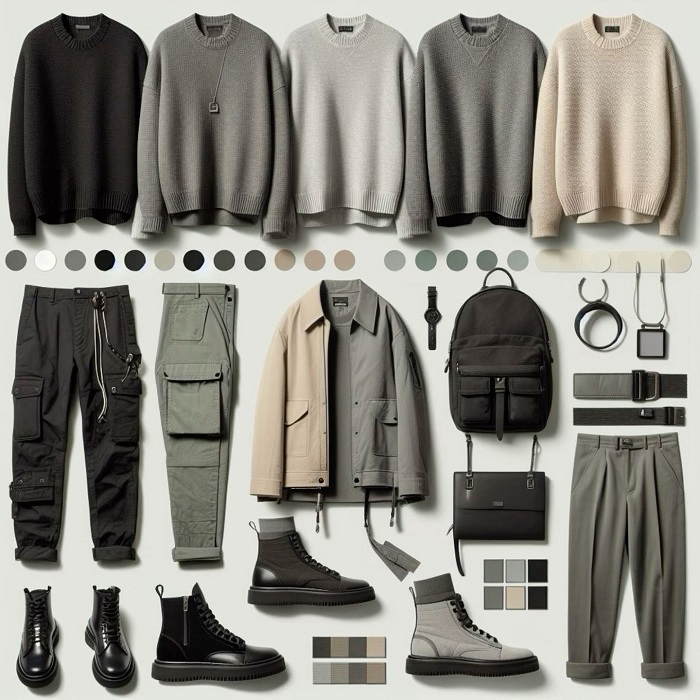
Start with a clear idea: who you are dressing, what feeling the pieces share and which three to six items will carry it. A capsule might be a hoodie, a tee, a cap and a pair of shorts in a consistent palette. Fewer pieces mean lower costs and a sharper message.
Step 2: Choose the production route per item
For each piece, decide whether to use premium blanks or custom cut and sew. Basics such as tees and caps often work well as customized blanks, while one signature item can justify a custom pattern.
Step 3: Prepare your design files
Gather vector logos, graphics and, if needed, a tech pack. Decide on embroidery placement and labels. The more complete your files are, the fewer revision rounds you will need.
Step 4: Set realistic quantities
Start small. For a first capsule, a few dozen pieces per style is often enough to launch, photograph and sell to your first customers. Smaller batches keep cash free for marketing and for restocking the items that sell.
Step 5: Approve samples
Request a sample of at least your hero piece. Check fit, embroidery quality, label placement and fabric feel. Approve or adjust before the full run.
Step 6: Plan the branding details
Custom labels, hangtags and packaging make the capsule feel complete. They are easy to overlook, but they are the first things a customer touches.
Step 7: Schedule production around your launch
Work backwards from your launch date. Allow time for sampling, approval, production and shipping, and add a buffer for corrections. Delays are rarely at the sewing stage; they usually come from late files or slow approvals.
Step 8: Prepare content before the goods arrive
Plan photography, product pages and announcements while production runs, so you can launch quickly when the pieces arrive.
Step 9: Review and restock
After launch, look at what sold and what did not. Reorder the winners and drop the rest. This is the real advantage of small batches: your next decision is based on data, not guesswork.
A capsule is not a smaller version of a collection; it is a focused test of your brand. With a clear concept, small quantities and a reliable partner, you can bring a first product to market without overextending.